
Hot Weather Tips to Prevent Vehicle Breakdowns
When temperatures rise, your vehicle works harder to keep the engine, fluids, battery and tires operating properly. Extreme heat can turn a small maintenance issue into a roadside emergency, especially during long drives or heavy traffic.
The good news is that many hot-weather breakdowns are preventable. A few simple checks before you hit the road can help protect your vehicle and keep you from needing an unexpected tow truck or roadside assisatnce service.
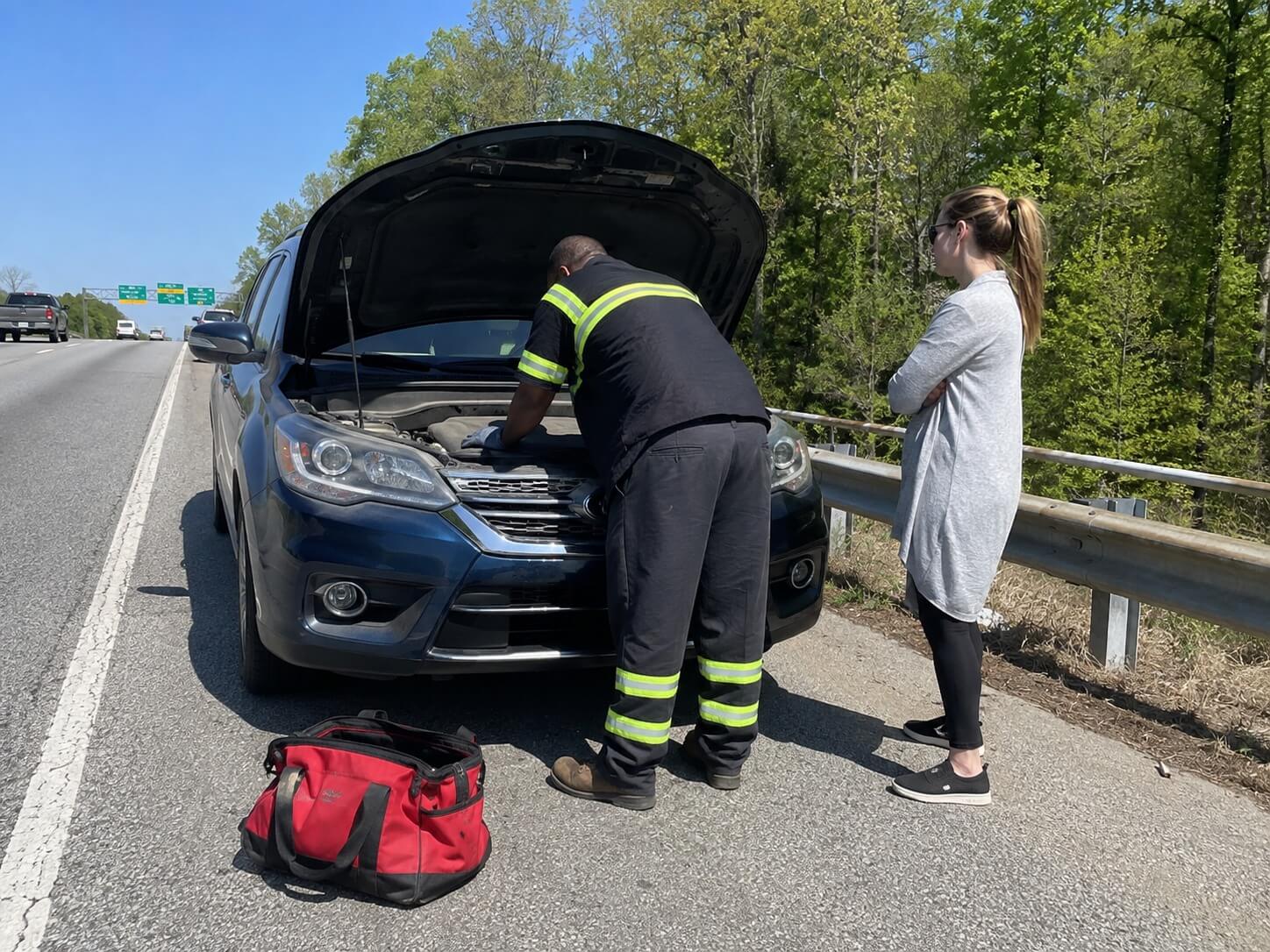
1. Check your Engine Coolant
Your cooling system is one of the most important defenses against overheating. Low coolant, leaks or an aging cooling system can cause engine temperatures to rise wuickly in hot weather.
Check the coolant level when the engine is completely cool. If you notice a low level, puddles under your vehicle, or frequent overheating, have the cooling system inspected by a qualified mechanic.
Never remove the radiator cap while the engine is hot. Hot coolant and steam can cause serious burns.
2. Inspect Your Battery
High Temperatures can be hard on your vehicle’s battery. Heat can accelerate battery fluid evaporation and damage internal components, potentially reducing battery life.
Look for corrosion around the battery terminals and make sure the connections are secure. If your battery is several years old or your vehicle has recently been slow to start, consider having the battery tested before taking a long summer trip.
A weak battery can leave you stranded without warning, making battery jump-start or roadside assistance necessary.
3. Check Your Tires
Hot Pavement and high temperatures can increase tire stress. tires that are underinflated. overinflated, worn, or damged are more likely to experience problems during long drives.
Check tire pressure when the tires are cold and follow the pressure recommended by your vehicle manufacturer. Inspect teh tread for uneven wear, cracks, bulges, or other visible damage.
Don’t forget to check your spare tire as well. A spare that has been sitting unused may also need additional air.
4. Keep an Eye on Your Engine Temperature
Your dashboard temperature gauge is an important warning system. If the gauge starts moving into the hot range, don’t ignore it.
Turn off the air conditioner, safely pull off the road, and allow the engine to cool. If the temperature continues to rise or you see steam coming from under the hood, shut the engine off and call for professional roadside assistance.
Continuing to drive an overheating vehicle can turn a cooling- system problem into expensive engine damage.
5. Check Your Oil Level
Engine oil does more than lubricate moving parts. It also helps manage heat inside the engine.
Low or old oil can reduce lubrication and increase friction, which may contribute to excessive engine temperatures and mechanical problems.
Check the oil according to your vehicle manufacturer’s instructions and keep up with scheduled oil changes. If you notice oil spots underneath your vehicle, have the source of the leak inspected.
6. Inspect Belts and Hoses
Belts and hoses can deteriorate over time, and extreme heat can make existing damage worse.
Look for craked, frayed, swollen or loose components under the hood. A damaged serpentine belt can affect critical systems and potentially leave your vehicle disabled.
If you notice unusual squeling, visible belt damage, or a warning light, have the vehicle inspected before riving long distances.
7. Don't Ignore Warning Lights
Dashboard warning lights should never be treated as minor inconveniences, particularly during hot weather.
An illuminated temperature, battery, oil-pressure, or check-engine warning light may indicate a problem that could become more serious under heavy driving conditions.
If a warning light appears, check your owner’s manual and have the vehicle inspected as soon as posible.
8. Check Your Air Conditioning System
Your vehicle’s air conditioning system works harder during hot weather. Weak cooling can be a sign of a low refrigerant level, compressor problem, electrical issue, or another mechanical concern.
While an air condotioning problem may not always cause a breakdown, it can make a roadside emergency much more uncomfortable, especially when you’re traveling with children, older passengers or pets.
Have the system checked if it suddenly stops cooling properly or makes unusual noises.
9. Avoid Leaving Your Vehicle Idling for Long Periods
Extended idling in extreme heat can place additional demands on the cooling system, especially if the vehicle is already experiencing a mechanical problem.
If you’re stuck in traffic, pay attention to the temerature gauge. If the engine begins running hotter than normal, find a safe location to stop and investigate the problem rather than continuing to push the vehicle.
10. Prepare an Emergency Roadside Kit
Even with proper maintenance, unexpected problems can happen. Keeping basic emergency supplies in your vehicle can make a breakdown safer and more manageable.
Consider carrying:
• Drinking water
• A flashlight with fresh batteries
• Jumper cables
• A tire pressure gauge
• A properly inflated spare tire
• Basic first-aid supplies
• Reflective warning triangles or roadside flares
• Phone charging equipment
• Your roadside assistance provider’s contact information
During extreme heat, water is especially important if you become stranded while waiting for help.
What to Do If Your Vehicle Breaks Down in Hot Weather
If your vehicle stops working, your first priority should be getting yourself and your passengers to a safe location.
If possible, move the vehicle caompletely off roadway. Turn on your hzard lights and remain in a safe area away from moving traffic.
If the vehicle is overheating, don’t open the radiator cap or attempe repairs while the engine is extremely hot. Contact a relaible towing or roadside assistance provider for help.
Professional roadside assistance may be able to provide services such as battery jump-starts, tire changes, fuel delivery, lockout assiatnce or towing when the vehicle cannot safely continue.
Preventive Maintenance Can Save You From a Breakdown
Hot weather doesn’t automatically mean your vehicle will break down, but neglected maintenance can make problems more likely. Checking your coolant, battery, tires, oil, belts, and hoses before a long trip can help identify potential issues before hey leave you stranded.
A few minutes of preventive maintenance can save you hours waiting on the side of the road and potentially help you avoid a much more expensive repair.
If your vehicle does break down despite your best efforts, contact a dependable local towing and roadside assistance service for professional help. Stay alert, keep your vehicle maintained, and don’t wait for a small warning sign to become a major roadside emergency.
WE ALSO PROVIDE OUR SERVICES NEARBY CITIES IN RICHMOND, VA
Fast, reliable roadside & towing service across Richmond and the surrounding communities.
Get In Touch
Meet Us
Richmond, VA 23220
Call Us
(804) 916-1040
The area’s most reasonable rates are offered by Ben’s Roadway Towing Assistance. You can always call us for towing assistance because we provide all types of towing services around-the-clock.